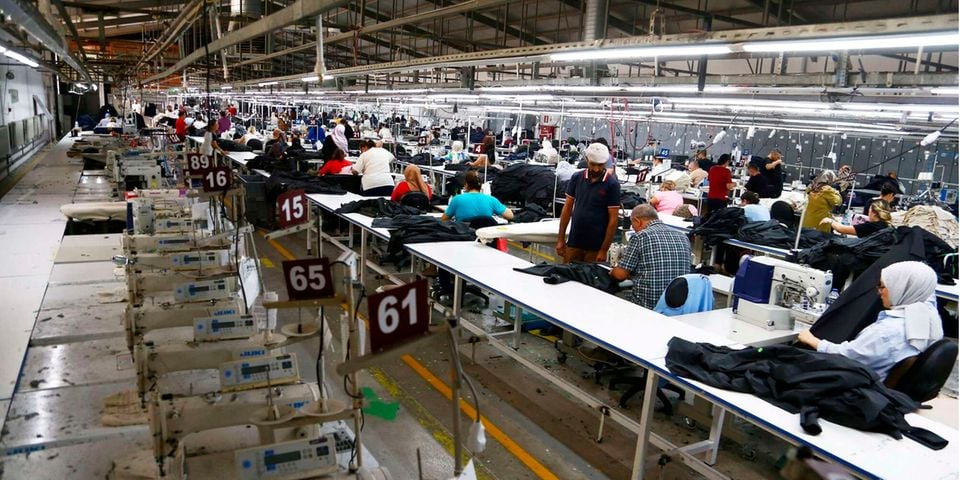
After decades in which governments were encouraged to let markets drive growth through efficiency and openness, the shocks of the global financial crisis and the Covid-19 pandemic exposed the limits of relying on markets alone. By the early 2020s, industrial policy re-emerged as a more deliberate and visible tool, with governments actively shaping growth through incentives, standards, procurement and long-term national priorities not to replace markets, but to address vulnerabilities such as supply disruptions, skills shortages and infrastructure gaps. In 2026, growth is increasingly driven by strong ecosystems rather than lowest costs, as states steer investment toward priority sectors like clean energy, advanced manufacturing and the digital economy. For businesses, this means success now depends on policy literacy: understanding regulatory trajectories, incentive schemes and government signals has become a core commercial skill, and firms that engage constructively with policy environments are better positioned to manage risk and capture opportunity.
Read Full Article: https://www.theeastafrican.co.ke/tea/opinion/columnists/why-2026-belongs-to-businesses-that-pay-close-attention-5336856